The UK's ambition to foster a robust and patient-centric medical cannabis ecosystem frequently looks to established European markets for insights. A recent report notes a significant trend in Germany: a pronounced shift towards cheaper, high-THC cannabis products driving market growth. This development, while specific to Germany's evolving regulatory landscape, holds profound implications for UK operators, founders, boards, and patients alike.
The German Comparator: Price, Potency, and Patient Access
Germany's market has seen a surge in demand for more affordable, high-strength medicinal cannabis. This isn't merely a consumer preference; it reflects a confluence of factors including evolving prescriber confidence, patient demand for cost-effective treatment, and a supply chain increasingly able to meet these specific product requirements. For UK stakeholders, this German experience is a crucial comparator, offering a glimpse into potential trajectories and challenges for our own nascent industry.
Why Germany's Trend Resonates in the UK
Patient Numbers and Affordability Pressure: The UK's medical cannabis patient numbers continue a steady, if gradual, ascent. However, affordability remains a significant barrier for many. The German trend underscores that price sensitivity can profoundly influence patient uptake and treatment adherence. If UK operators cannot compete on price, even for high-THC products, the pathway to broader patient access will remain obstructed. This forces boards to critically assess sourcing strategies, cultivation efficiencies, and the commercial viability of current product portfolios.
Prescriber Landscape and Product Choice: UK prescribers, operating under the rigorous oversight of the GMC, often seek evidence-based efficacy data. However, as the range of available products expands, and global pricing dynamics shift, prescribers may increasingly consider cost-effectiveness alongside clinical indication. The German experience suggests a normalisation of higher-THC products when coupled with competitive pricing, which could influence UK prescriber confidence and prescribing patterns over time, particularly as more real-world evidence accumulates.
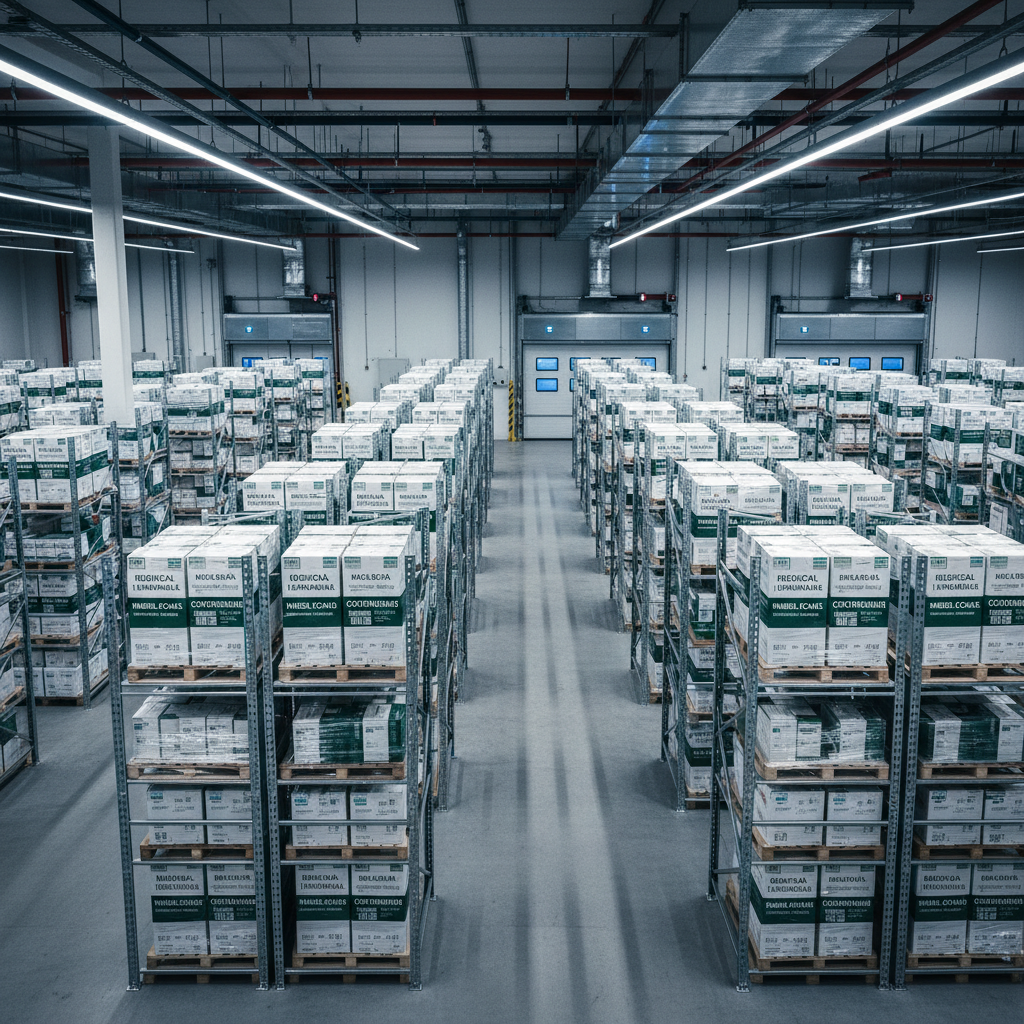
Supply Chain Build-out and Product Standardisation: The German market's ability to supply large volumes of specific, cheaper high-THC products points to a sophisticated, scaled supply chain. The UK's supply chain, predominantly reliant on imports and a nascent domestic cultivation sector, must mature rapidly to achieve similar efficiencies. The MHRA and Home Office maintain stringent quality and control requirements for medicinal cannabis. Balancing these regulatory demands with the commercial imperative to produce cost-effective products is a perpetual challenge. Operators must invest in robust GMP-compliant cultivation, manufacturing, and distribution infrastructure capable of delivering consistent, high-quality, and competitively priced products.
Medicexum's View: Proactive Strategy for Sustainable Growth
Medicexum believes the German experience serves as a clear signal for the UK market: proactive strategic planning is paramount. The current regulatory framework, governed by the MHRA, Home Office, and FSA (for CBD Novel Foods), is designed to ensure patient safety and product quality. However, the commercial realities of patient access and market demand cannot be ignored. A disconnect between regulatory expectations, patient affordability, and supply chain capabilities will stifle growth.
Boards and investors should critically evaluate:
- Sourcing and Import Strategy: Can current import channels deliver cost-effective products compliant with MHRA GDP requirements? Are there opportunities for long-term domestic cultivation to reduce reliance on volatile international pricing?
- Product Portfolio Optimisation: Does the current product offering align with patient demands for both diverse formulations and competitive pricing? Is there a clear strategy for introducing new, cost-effective products that meet regulatory standards?
- Regulatory Engagement: Proactive engagement with regulatory bodies (MHRA, Home Office) is crucial to highlight market dynamics and advocate for frameworks that support both patient access and industry sustainability without compromising safety or quality.
- Investment in UK Infrastructure: Long-term success hinges on investing in UK-based GMP facilities for cultivation, processing, and distribution, thereby mitigating supply chain risks and fostering local economic growth.
The German market's evolution underscores a fundamental truth: patient access to medical cannabis is intrinsically linked to affordability and product availability. The UK must learn these lessons now to build a resilient, patient-focused, and commercially viable industry.
Source: Cheap, High-THC Products Are Driving Germany's Medical Cannabis Market