The Shifting Sands of UK Medicinal Cannabis GMP: Beyond the Basics
By late 2026, the UK medicinal cannabis landscape has evolved considerably since the initial optimism of 2018. We're beyond 'novelty' and firmly in 'regulated medical product' territory. For founders, boards, and investors in this sector, understanding the nuances of Good Manufacturing Practice (GMP) is no longer a peripheral concern but central to market access and sustained success. This article focuses on two critical pillars underpinning UK medicinal cannabis GMP: ICH Q1A and robust stability testing, essential for satisfying both MHRA and Home Office requirements.
GMP: A Cornerstone, Not an Endeavour
GMP for medicinal cannabis in the UK is non-negotiable. It assures that products are consistently produced and controlled according to quality standards appropriate to their intended use. This isn't merely about facility standards; it encompasses personnel, documentation, quality control, contamination prevention, and much more. The MHRA (Medicines and Healthcare products Regulatory Agency) oversees this, issuing Manufacturer's 'Specials' Licences where appropriate, and expecting adherence to the European Medicines Agency (EMA) GMP guide, which the UK largely continues to mirror post-Brexit.
For products destined for the UK market, whether imported or domestically produced, demonstrating compliance with these stringent standards is paramount. This includes the cultivation, processing, extraction, formulation, packaging, and distribution stages. Any deviation or shortcut will be met with significant regulatory scrutiny, leading to potential licence suspension or revocation.
ICH Q1A(R2): The Stability Imperative
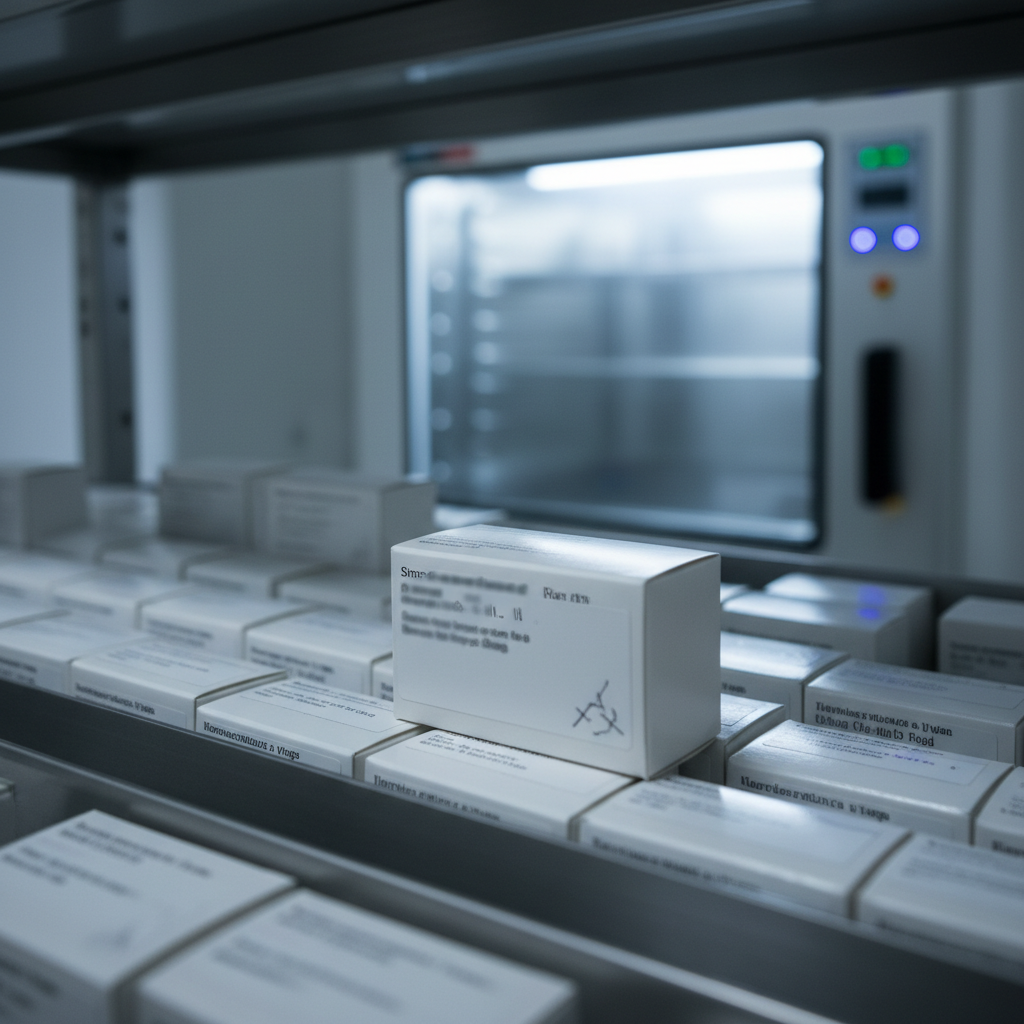
At the heart of demonstrating consistent product quality over time lies stability testing. The International Council for Harmonisation of Technical Requirements for Pharmaceuticals for Human Use (ICH) Q1A(R2) guideline is the definitive framework for performing and reporting stability studies for new drug substances and products. For medicinal cannabis, which often presents unique stability challenges due to the lability of cannabinoids and terpenes, robust adherence to ICH Q1A is critical.
Why is this so important?
- Shelf-Life Determination: ICH Q1A defines how to establish appropriate retest periods for drug substances and shelf-lives for drug products, crucial for ensuring efficacy and safety throughout the product's lifespan.
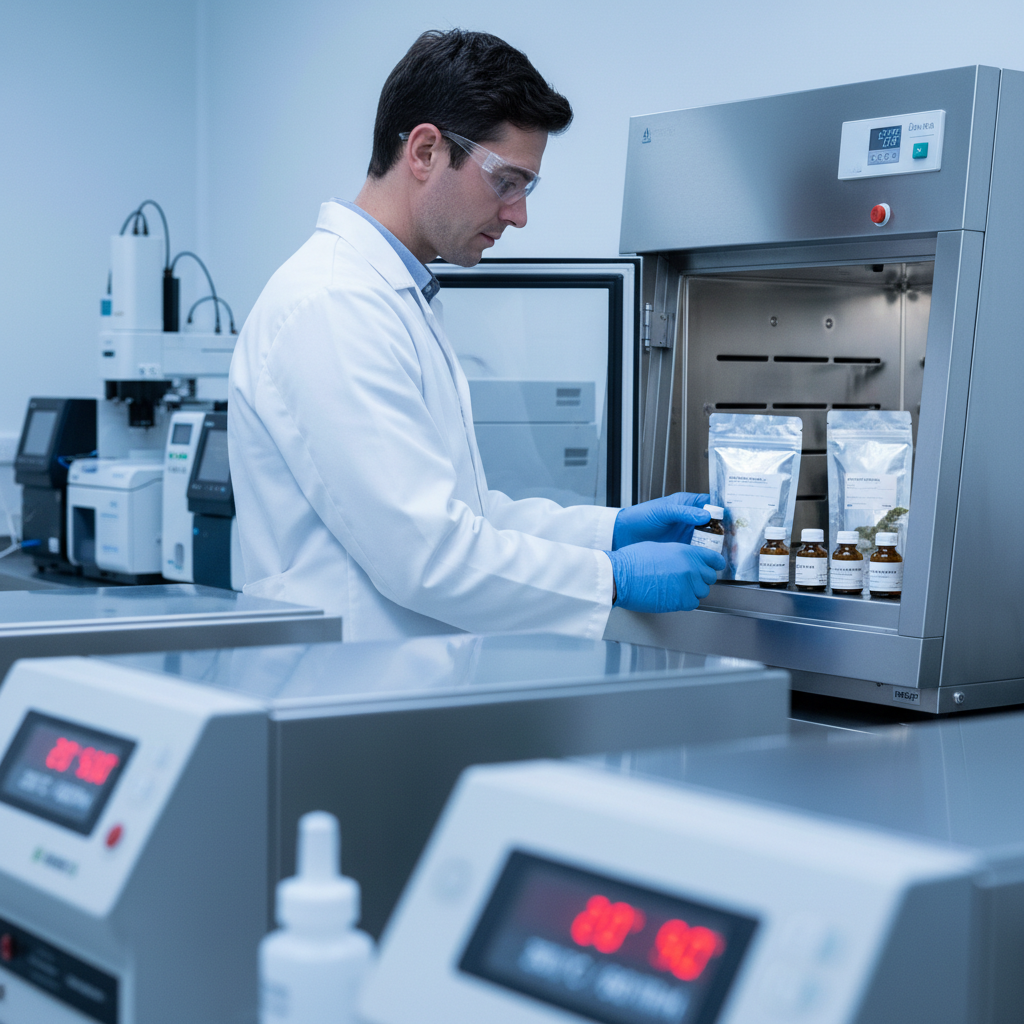
- Storage Conditions: It dictates the types of climatic zones and conditions (e.g., temperature, humidity, light exposure) under which stability samples must be stored, mirroring real-world patient storage.
- Batch Consistency: By testing multiple batches, manufacturers can demonstrate consistent product quality over time, identifying potential degradation pathways or formulation weaknesses.
- Degradant Identification: Stability studies are vital for identifying and quantifying degradation products, ensuring they remain below specified safety limits. This is particularly relevant for cannabis, where compounds like delta-9-THC can convert to delta-8-THC or CBN over time. The Advisory Council on the Misuse of Drugs (ACMD) and the Home Office are keenly interested in the stability of controlled substances, including THC.
Manufacturers must establish comprehensive stability protocols encompassing both accelerated and real-time testing, rigorously analyse data, and accurately report findings to the MHRA as part of their marketing authorisation or specials licence application. In late 2026, the MHRA's expectations around stability data are increasingly sophisticated, moving beyond rudimentary studies to demand truly comprehensive data sets.
The British Pharmacopoeia and Cannabis
The British Pharmacopoeia (BP) plays an increasingly significant role. It provides publicly available quality standards for medicinal substances and medicinal products. While historically lacking specific monographs for cannabis and its derivatives, the BP is adapting. We've seen an evolution towards general monographs that can encompass herbal drug preparations, and specific monographs for cannabinoids (e.g., Cannabidiol) are emerging or being updated. This provides a clear benchmark for purity, identification, and assay of key active pharmaceutical ingredients (APIs).
For a medicinal cannabis product to be considered pharmacopoeial quality, it must conform to the standards set out in the relevant BP monograph. This includes tests for:
- Identification: Confirming the correct substance.
- Assay: Quantifying the active ingredient (e.g., THC, CBD).
- Purity: Limiting impurities, related substances, and potential contaminants (e.g., heavy metals, pesticides, microbial contamination).
Manufacturers must align their analytical methods and specifications with BP requirements where applicable. The Food Standards Agency (FSA), while primarily focused on CBD novel foods, indirectly influences analytical method harmonisation and standards often referenced by the BP, particularly concerning contaminants and analytical rigor.
The Path Forward: Compliance as a Competitive Edge
In this mature phase of the UK medicinal cannabis market, robust GMP, informed by ICH Q1A and adhering to BP standards, isn't just about avoiding penalties; it's a profound competitive differentiator. Investors increasingly look for companies with ironclad quality systems, understanding that regulatory missteps can derail even the most promising ventures. The MHRA and Home Office are not static entities; their scrutiny grows as the sector expands. Proactive engagement with these guidelines and a commitment to exemplary quality control will define the successful players in late 2026 and beyond.