The Maturation of Mayfair: Evolving Regulatory Expectations for UK Medical Cannabis in 2026
The UK medicinal cannabis sector has traversed a path of rapid evolution since its inception. As we approach late 2026, the initial regulatory growing pains are giving way to a more sophisticated, stringent, and ultimately, a more mature compliance environment. For founders, boards, and investors, understanding the sharpened focus on MHRA Responsible Person duties, robust controlled drug compliance, and meticulous GDP audit preparation is no longer optional, but foundational.
The Reshaped Role of the MHRA Responsible Person (RP)
The Responsible Person (RP) has always been the linchpin of Good Distribution Practice (GDP). However, for medicinal cannabis, their remit is broadening and deepening. Historically, the MHRA's focus on RPs revolved around maintaining basic GDP standards. By 2026, we see a palpable shift towards an RP who is not just aware of procedures, but demonstrably proactive in validating the entire supply chain's integrity, especially concerning product quality and patient safety for controlled drugs.
The MHRA expects RPs in our sector to possess demonstrable expertise in the specific challenges posed by controlled drugs. This includes a profound understanding of:
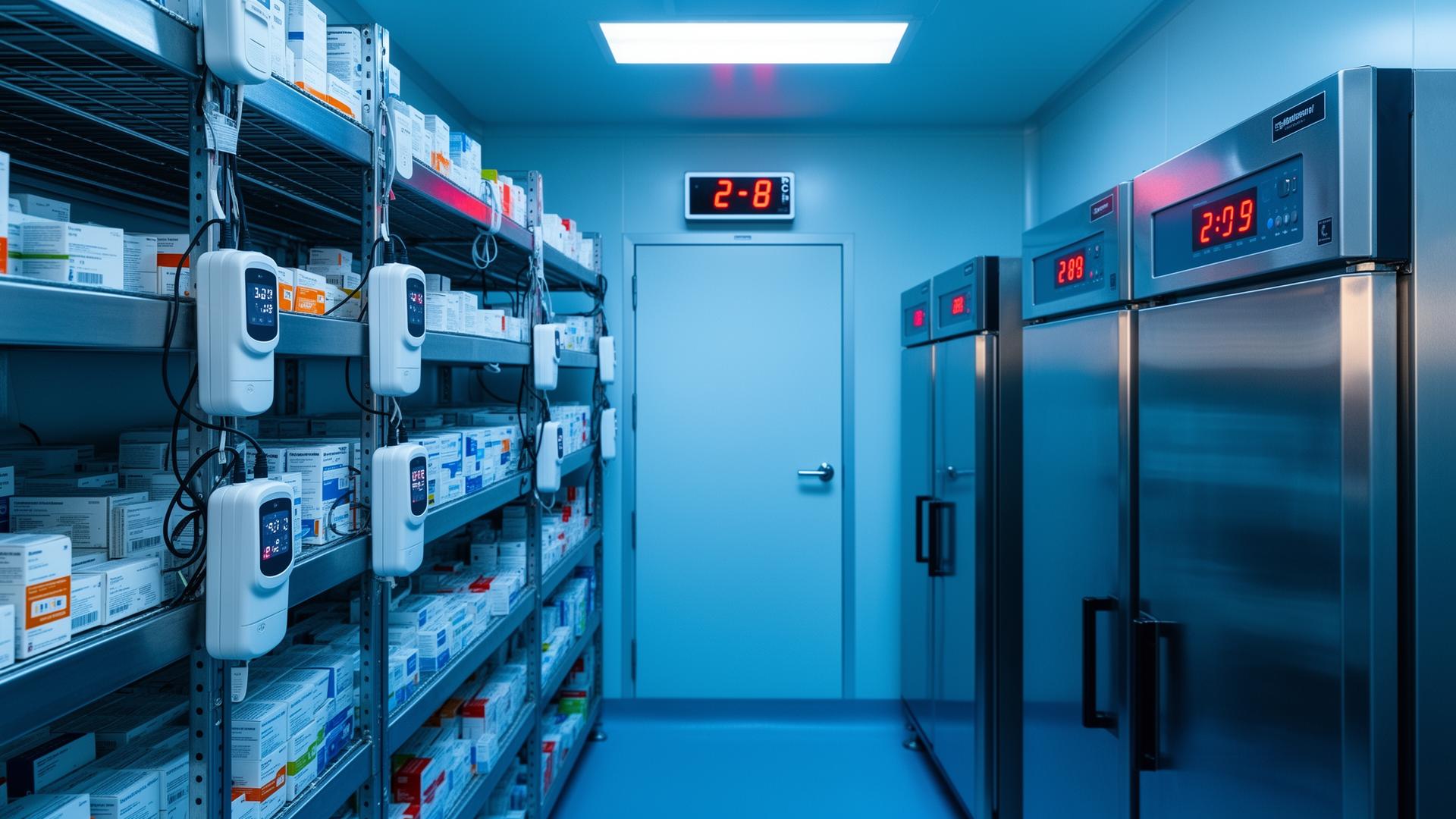
- Temperature excursion management: Given the often-complex cold chain requirements for cannabis products, the RP's incident management and CAPA procedures for excursions will face intensified scrutiny.
- Security protocols: Beyond standard GDP, RPs must ensure physical and data security measures meet Home Office licence stipulations and remain robust against evolving threats.
- Vendor qualification: The assessment of third-party logistics (3PLs) and other service providers handling controlled drugs requires a more detailed, risk-based approach, frequently involving direct site visits and thorough audit reports, not merely paper-based assessments.
- Recall readiness: The ability to execute a rapid, effective recall for a controlled drug, co-ordinating with the MHRA and the Home Office, will be a critical demonstration of RP competency.
The days of a nominal RP are over. Boards must invest in RPs with direct, relevant experience within the controlled drug sphere, empowering them with the resources and authority to truly oversee compliance.
Controlled Drug Compliance: A Non-Negotiable Imperative
Compliance with controlled drug regulations is, by its nature, unforgiving. The Home Office operates with a high degree of precision, and any deviation can have severe consequences, from licence suspension to criminal penalties. For medicinal cannabis businesses, the intersection of MHRA GDP requirements and Home Office controlled drug mandates creates a uniquely complex regulatory environment.
Key areas of heightened focus for late 2026 include:
- Reconciliation accuracy: Exact counts, perpetual inventory, and rigorous reconciliation of stock are paramount. Discrepancies, however minor, will trigger intense scrutiny from both the Home Office and the MHRA. Digital inventory management systems that offer real-time tracking and audit trails are becoming essential.
- Destruction procedures: The proper, documented destruction of controlled drugs, conducted under the supervision of authorised personnel, is an area frequently scrutinised. Adherence to Home Office guidelines and accurate record-keeping are critical.
- Prescription validation & dispensing controls: With the increasing volume of prescriptions, robust systems for verifying legitimate prescriptions and ensuring appropriate dispensing and patient identification are more important than ever. This touches upon pharmacist responsibilities but also the upstream supply chain's ability to ensure product integrity right to the point of dispatch.
GDP Audits: Beyond the Checklist
MHRA GDP audits for medicinal cannabis operations are no longer satisfied with mere checklist completion. Auditors are delving deeper, seeking evidence of a genuine 'quality culture' embedded throughout the organisation. This means:
- Risk-based thinking: Demonstrating proactive identification, assessment, and mitigation of risks specific to controlled medicinal cannabis. This includes not just product quality but security and diversion risks.
- Data integrity: The reliability and accuracy of all records, particularly electronic records, are under intense review. The MHRA expects ALCOA+ principles (Attributable, Legible, Contemporaneous, Original, Accurate, and Complete, Consistent, Enduring, Available) to be rigorously applied.
- Training effectiveness: It's not enough to say staff are trained; businesses must demonstrate that training is effective, regularly assessed, and leads to tangible improvements in adherence to procedures, especially for those handling controlled drugs.
- Continuous improvement: Evidence of ongoing self-inspections, robust CAPA systems, and a commitment to address observations proactively and effectively. The expectation is that issues are not just identified, but systematically resolved to prevent recurrence.
In conclusion, the UK medicinal cannabis sector is maturing, bringing with it a regulatory landscape that demands utmost professionalism and unwavering adherence to the highest standards. For businesses to thrive in late 2026 and beyond, a strategic, forward-thinking approach to MHRA Responsible Person duties, controlled drug compliance, and GDP audit readiness is not merely good practice – it's a competitive imperative. The regulatory wind is changing; ensure your sails are set correctly.