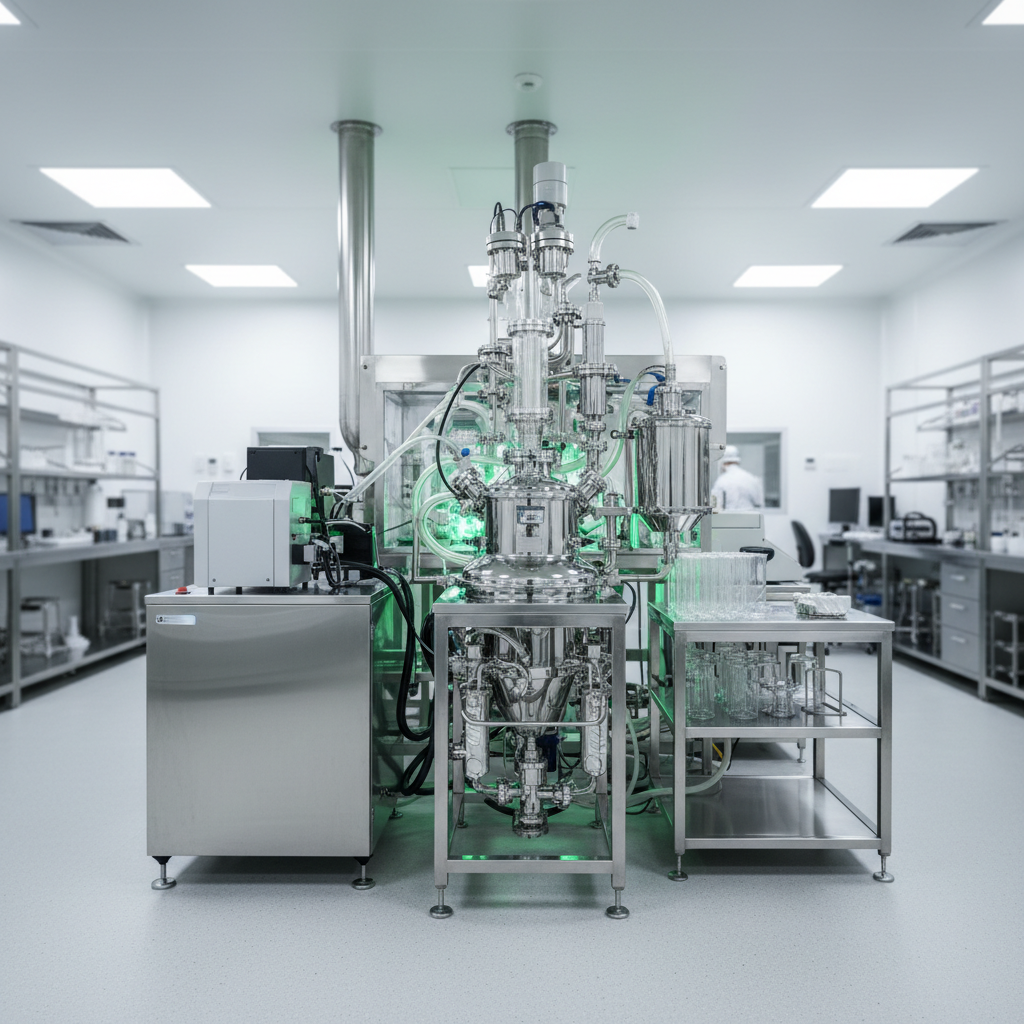
The Maturing UK Medicinal Cannabis Landscape: Beyond Early Adopters
Late 2026 finds the UK medicinal cannabis sector in a state of accelerated evolution. The initial 'wild west' phase is firmly behind us. What remains is a growing, albeit still complex, industry grappling with the realities of large-scale production, rigorous regulatory scrutiny, and increasing market demand. For Medicexum's clients – founders, boards, and investors – understanding the current restructuring imperative is paramount for future success.
Hard Lessons from Early Scale-Up Case Studies
Many early entrants focused heavily on securing Home Office cultivation and import licenses, often underestimating the downstream complexities. We've observed numerous cases where ambitious cultivation projects outpaced their capacity for MHRA-compliant Good Manufacturing Practice (GMP) processing, or struggled with the intricate import/export dynamics mandated by the Home Office. The cost of non-compliance, from product recalls to licence revocations, has been a stark educator.
Successful scale-ups, conversely, have demonstrated a holistic approach. They've integrated regulatory planning from seed to patientprescription. This often means:
- Vertical Integration (Strategic): Not necessarily owning every step, but profoundly understanding and influencing the entire supply chain from active pharmaceutical ingredient (API) sourcing to dispensing. This mitigates risks associated with third-party failures in quality or compliance.
- Robust Quality Management Systems: Going beyond the minimum. MHRA GMP is not a check-box exercise. True quality integration reduces batch failures and builds patient and prescriber confidence.
- Proactive Regulatory Engagement: Companies succeeding have built strong relationships with the Home Office, MHRA, and where relevant, the Food Standards Agency (FSA) for CBD novel foods. This fosters a collaborative environment for issue resolution.
Industry Restructuring: Consolidation and Specialisation
We anticipate a significant wave of consolidation in 2027 and beyond. The capital-intensive nature of this industry, coupled with the stringent regulatory burden, favours larger, well-funded entities or those with highly specialised niches. Expect:
- Mergers & Acquisitions: Smaller, capital-constrained operators or those with niche expertise (e.g., genetics, extraction technology) becoming attractive targets for larger companies seeking to shore up supply chains or expand market share.
- Specialisation: A move away from 'doing everything' to focusing on core competencies. Some operators will excel in cultivation, others in API extraction, or pharmaceutical formulation. This specialist approach can drive efficiencies and reduce regulatory overheads for individual entities.
- Investment in Automation and AI: To meet demand and maintain competitive pricing, investment in automation for cultivation, processing, and quality control (e.g., analytical testing through UKAS-accredited labs) is becoming non-negotiable. This isn't just about cost; it's about consistency and compliance.
The Apex of UK Regulatory Clarity: CBD Novel Foods and Medicinal Cannabis
The FSA's validated list for CBD novel foods has brought much-needed clarity, albeit with significant hurdles for many. Operators in this space must ensure their products remain on this list and consistently meet the rigorous safety and quality standards set out. Further assessments by the Advisory Committee on Novel Foods and Processes (ACNFP) will refine this landscape.
For medicinal cannabis, the MHRA continues to be the arbiter of pharmaceutical quality. The focus remains on compliant sourcing, manufacturing, and distribution of unlicensed medical products (specials). Any move towards licensed products would involve even more stringent requirements, aligning with EU Good Manufacturing Practice (GMP) principles as detailed by the European Medicines Agency (EMA) and UK MHRA guidelines. Adherence to these standards is not merely regulatory; it's a commercial differentiator.
The Path Forward: Agility and Compliance
For businesses aiming for sustained growth in the UK medicinal cannabis and CBD novel foods sectors, the message is clear: agility in the face of evolving market dynamics, underpinned by an unshakeable commitment to regulatory compliance. Those who view compliance as an integral part of their business strategy, rather than a burdensome add-on, will be the ones to thrive in this increasingly sophisticated market.
The industry is maturing, and with it, the expectations of regulators, prescribers, and patients. Strategic restructuring, informed by a deep understanding of the UK's unique regulatory ecosystem, is the key to unlocking the full potential of this promising sector.