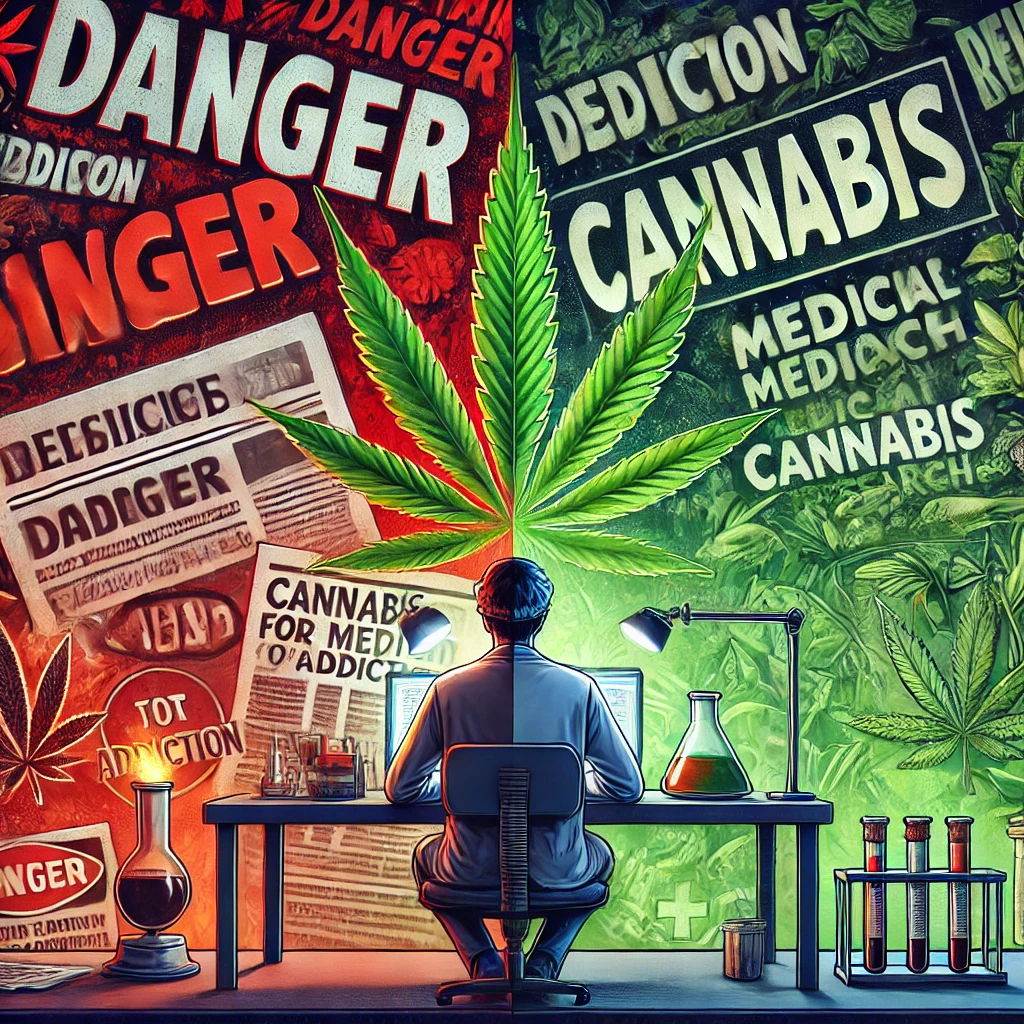
How Media Bias is Holding Back the Cannabis Industry
The medicinal cannabis industry has made significant strides in recent years, with growing acceptance from medical professionals, regulators, and consumers. However, despite scientific advancements and evolving legislation, public perception remains a major hurdle. One of the key reasons for this is media distortion, which continues to fuel outdated stigmas and misconceptions surrounding cannabis.
The Role of Media in Shaping Cannabis Perception
The media plays a crucial role in influencing public opinion and policy decisions. Unfortunately, the portrayal of cannabis in mainstream news is often skewed, focusing disproportionately on negative aspects rather than its potential benefits. Sensationalist headlines, outdated stereotypes, and misinformation contribute to an environment of fear and uncertainty, slowing down the progress of the medicinal cannabis industry.
Selective Reporting and Negative Framing
One of the primary ways the media distorts cannabis-related discourse is through selective reporting. Stories highlighting potential risks, such as addiction or crime, tend to dominate headlines, while the extensive body of research supporting cannabis as a therapeutic solution is often overlooked. This biased approach not only misinforms the public but also influences policymakers, creating unnecessary regulatory roadblocks.
Additionally, the language used in cannabis reporting often carries negative connotations. Terms like “drug use,” “substance abuse,” and “black market” are frequently associated with cannabis, reinforcing outdated narratives that equate it with harmful illicit substances. In contrast, discussions around pharmaceutical alternatives rarely receive the same scrutiny, despite their well-documented risks of dependency and adverse effects.
The Impact on Patients and Medical Research
The persistence of negative media portrayals has a tangible impact on patients who rely on medicinal cannabis for treatment. Misinformation fosters stigma, discouraging individuals from seeking cannabis-based therapies even when they could significantly improve their quality of life. This reluctance extends to healthcare professionals as well, many of whom remain hesitant to prescribe cannabis due to prevailing misconceptions and concerns about professional credibility.
Moreover, media-driven stigma affects the willingness of investors and researchers to explore cannabis-related innovations. Funding for clinical trials and product development is often harder to secure when the general perception of cannabis remains clouded by fear and controversy. As a result, progress in uncovering new medicinal applications is slowed, ultimately limiting patient access to potentially life-changing treatments.
Shifting the Narrative: The Need for Balanced Reporting
To unlock the full potential of medicinal cannabis, the media must adopt a more balanced approach to reporting. This includes giving equal weight to scientific studies, success stories, and regulatory advancements. Educating journalists on the complexities of cannabis and its medicinal properties is essential to ensuring accurate and fair coverage.
At the same time, industry professionals and advocates must play an active role in reshaping public perception. By engaging with the media, providing factual information, and challenging misinformation, the cannabis community can help dismantle outdated stigmas. Public awareness campaigns, patient testimonials, and transparent discussions around cannabis regulation can further support this shift towards a more informed society.
← The Importance of MHRA Compliance for UK Medical Cannabis BrandsHow to Become a Responsible Person (RP) in the UK Medical Cannabis Industry – A Step-by-Step Guide →