The recent publication in mdpi.com, detailing significant and durable patient-reported improvements from long-term inhaled cannabis therapy for chronic low back pain, is a landmark for the medicinal cannabis sector. While the clinical outcomes are compelling, the long-term use of cannabis medicines underscores a critical, often underappreciated, dimension for UK operators: the enhanced scrutiny on Good Distribution Practice (GDP) and controlled drug compliance, especially for products with sustained patient engagement.
This study, focusing on prospectively collected patient-reported outcomes over five years, highlights that inhaled cannabis is not merely an acute treatment but a long-term therapeutic intervention. For UK licence holders, this translates directly into a heightened and continuous obligation for their Responsible Person (RP) to maintain rigorous oversight over product quality, integrity, and safety throughout the supply chain.
The RP's Central Role in Sustained Compliance
The MHRA's expectations for a Responsible Person are stringent. For medicinal cannabis, these are amplified by its Schedule 2 controlled drug status. An RP is not merely a signatory; they are the lynchpin of quality assurance. The continuous supply implied by long-term therapy means a perpetual readiness for GDP audits, particularly concerning controlled drug handling. An RP must ensure that systems are not only implemented but are also routinely reviewed, tested, and adapted.
Consider the implications of a five-year treatment regime. This demands uninterrupted supply chain visibility, from import to dispensing. Any disruption, contamination, or diversion event carries significant risk. The RP’s role extends to:
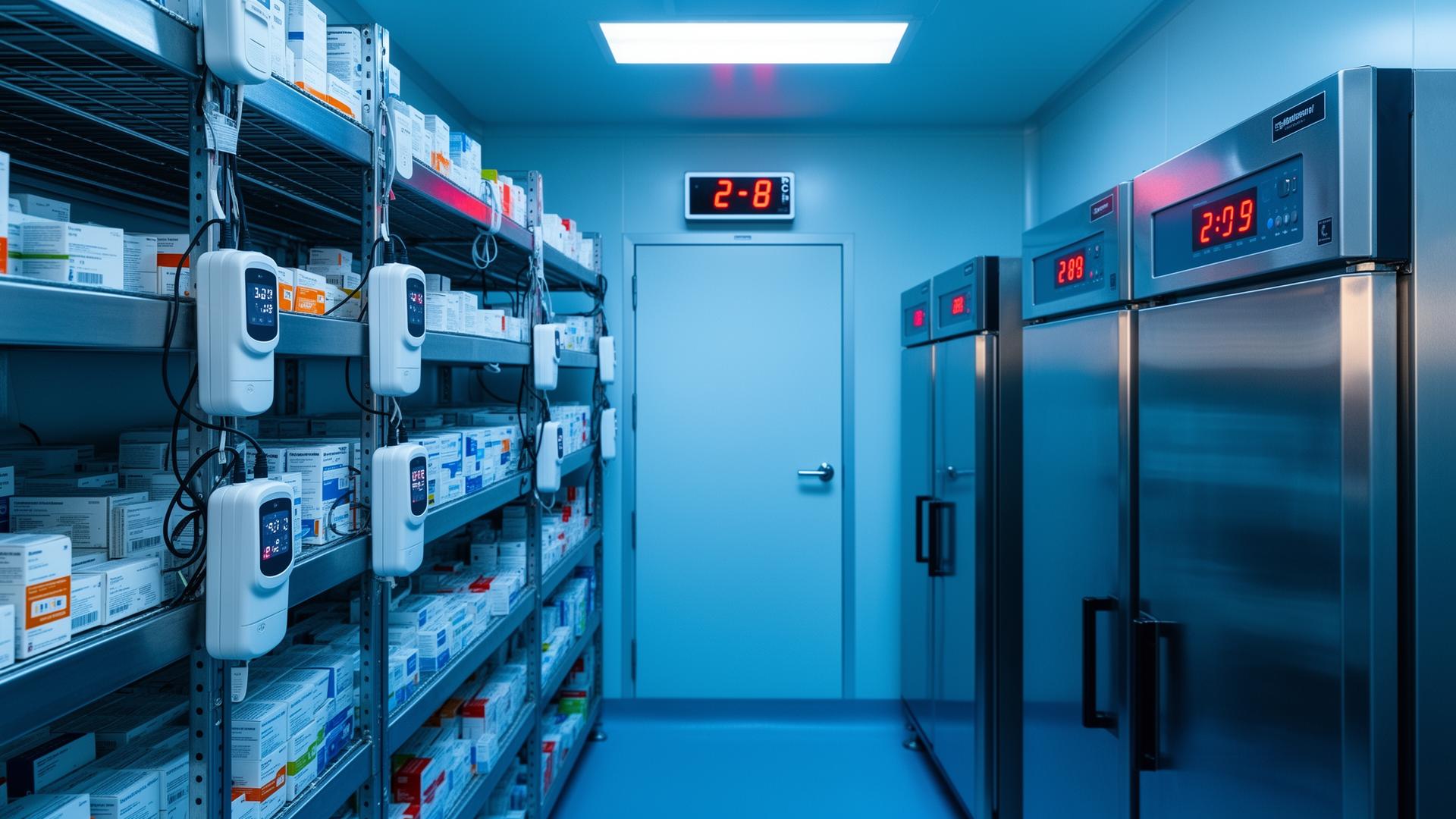
- Continual Risk Assessment: Identifying and mitigating risks related to product handling, storage conditions (e.g., temperature and humidity control, as seen in previous Medicexum advice), security against theft or diversion, and transport across extended periods.
- Supplier and Customer Qualification: Ensuring that all parties in the distribution chain, both upstream and downstream, meet the necessary regulatory standards and have robust controlled drug handling procedures.
- Training and Competency: Verifying that all personnel involved in the distribution of medicinal cannabis are appropriately trained on GDP and controlled drug regulations, with refresher training as required.
Controlled Drug Compliance: Beyond the Initial Check
The Home Office's oversight of controlled drugs is exhaustive. While initial licence applications demand robust proposals, sustained compliance is where many fall short. The long-term nature of medicinal cannabis therapy, as evidenced by the mdpi.com study, places increased pressure on continuous adherence to controlled drug regulations.
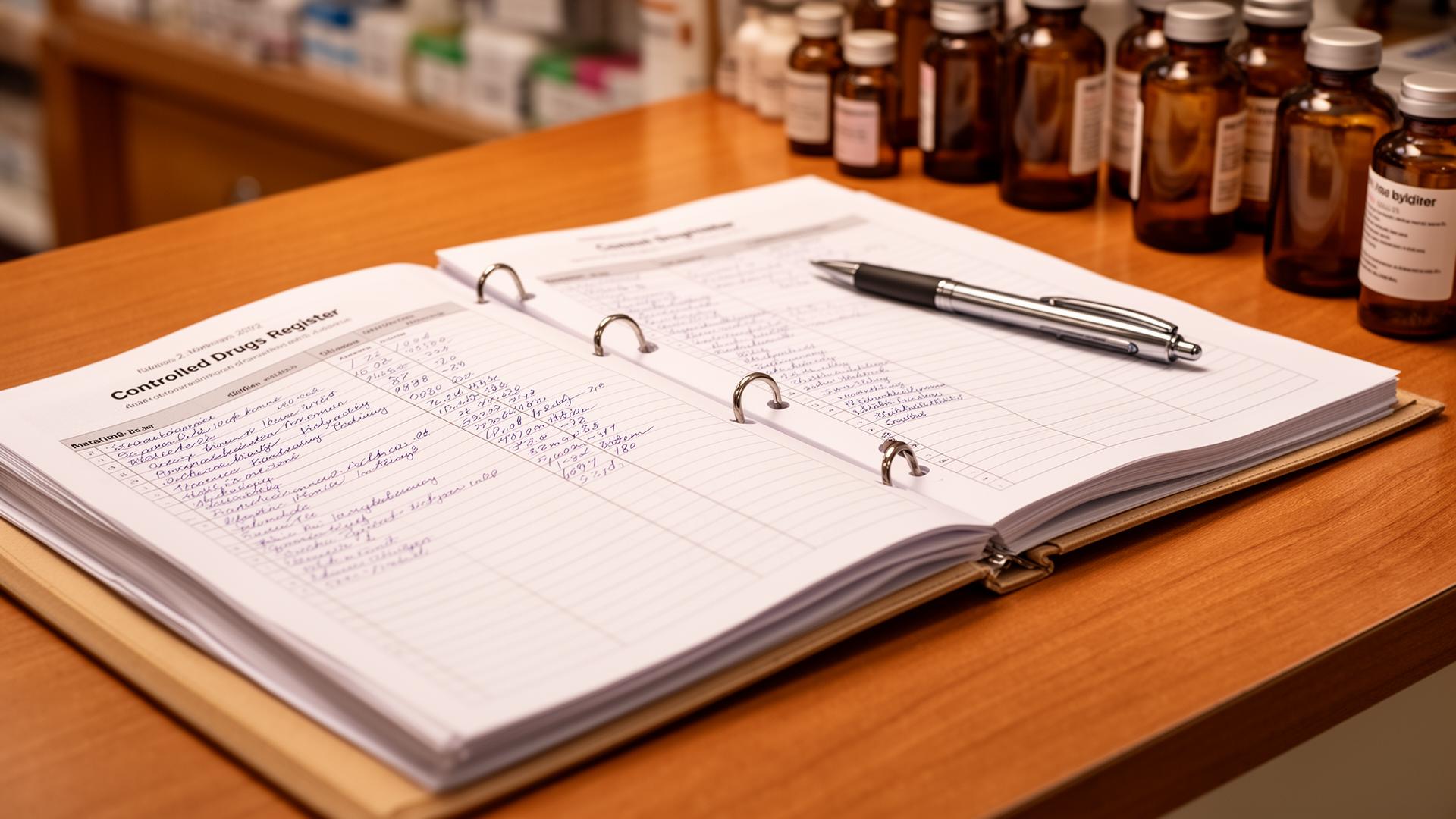
Boards and investors need to recognise that this isn't a 'set it and forget it' exercise. Home Office inspections focus on real-world practices and detailed record-keeping. The controlled drug register, for example, must be meticulously maintained for every transaction. Discrepancies, even minor ones, can lead to severe consequences, including licence suspension or revocation. We have seen instances where a lack of diligence in balancing controlled drug records has led to significant operational disruption.
For products destined for long-term use, the frequency and volume of transactions increase, inherently raising the potential for errors if systems are not robust. The RP, in conjunction with the Wholesale Distribution Authorisation (WDA(H)) holder, must have verifiable processes for:
- Accurate Inventory Management: Regular reconciliation of stock against records, identifying and investigating any variances promptly.
- Secure Storage and Transportation: Ensuring that all facilities and vehicles meet the stringent security requirements for Schedule 2 controlled drugs, adapted for continuous inventory flow.
- Prevention of Diversion: Implementing measures to prevent the illicit diversion of medicinal cannabis, a paramount concern for the Home Office.
GDP Audits: A Perpetual State of Readiness
The MHRA conducts routine and for-cause GDP audits. For medicinal cannabis operators, these audits are invariably more intensive given the nature of the product. The mdpi.com study reinforces that a 'just-in-time' approach to audit readiness is insufficient. Instead, organisations must embed a culture of continuous compliance.
An RP's primary responsibility during an audit is to demonstrate effective oversight. This means producing clear, accessible documentation proving that:
- All procedures align with GDP and controlled drug regulations.
- Deviations and complaints are thoroughly investigated and CAPAs are effective.
- Self-inspections are conducted regularly and yield tangible improvements.
- Quality Management System (QMS) is live, not just theoretical.
Medicexum advises boards and founders to invest proactively in their RPs and QMS. The cost of non-compliance, particularly for a long-term usage product, far outweighs the investment in robust systems. Regulatory enforcement actions, from fines to operational cessation, can decimate a business. Proactive engagement with regulatory demands is not just good practice; it is foundational to market longevity and patient safety.