The MHRA Wholesale Dealer''s Licence — formally WDA(H) for human medicines — is the gating authorisation for any company importing, holding or distributing unlicensed medicinal cannabis in the UK. Without it, no Specials importation, no onward supply to pharmacies, no commercial activity. With it, you sit inside the MHRA''s GDP perimeter — which means an inspection, a named Responsible Person, and a Quality Management System that has to survive contact with a regulator.
This is the 2026 board-level checklist we work through with operators preparing a fresh WDA(H) application, or remediating a returned one. It pairs with the Home Office Schedule 2 Controlled Drugs licence, which most cannabis importers need in parallel — the two regimes interlock and the MHRA will not finalise a WDA(H) for cannabis activities without the Home Office side being credible.
1. Before you apply: scope and trigger conditions
A WDA(H) is required where you:
- Import a medicinal product (licensed or unlicensed Specials) into Great Britain from outside the UK
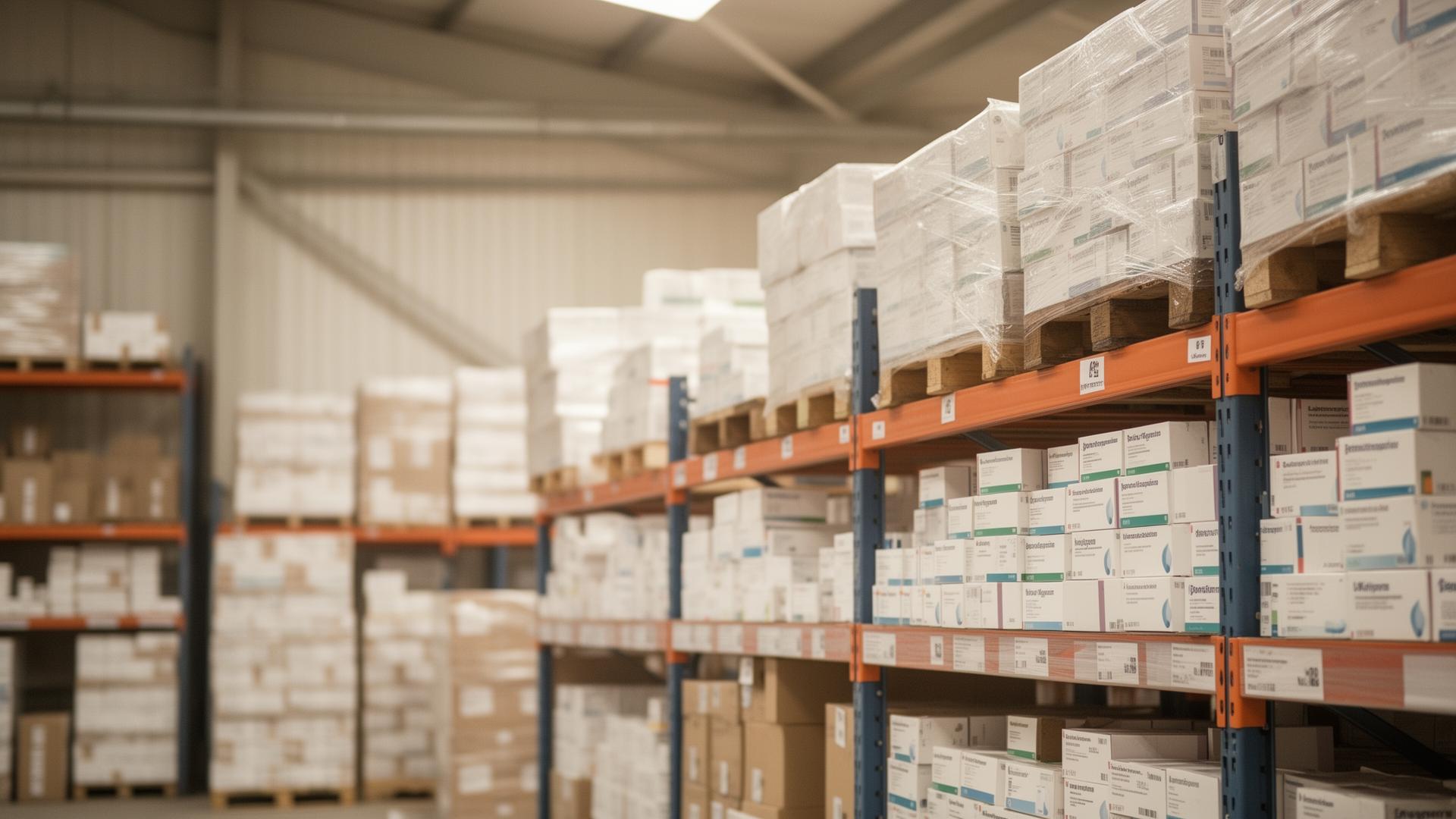
- Hold or store medicinal product stock prior to onward supply
- Sell or supply medicinal product to anyone other than the patient (pharmacies, clinics, wholesalers, hospitals)
- Procure for the purpose of supply
For medical cannabis, the typical trigger is importation of unlicensed cannabis-based products for medicinal use (CBPMs) — flower, oils, capsules — under the Specials regime, for onward supply to a Specials-licensed pharmacy. If you only ever arrange transactions and never take possession, custody, control or title, you are not wholesale dealing and a WDA(H) is not the right instrument. Broker registration under Regulation 45A does not apply either, because it reaches only products covered by a marketing authorisation, which unlicensed CBPMs are not.
2. Site readiness — what the inspector actually walks
The MHRA pre-licence inspection is on-site. By the time the inspector arrives, your warehouse needs to demonstrate:
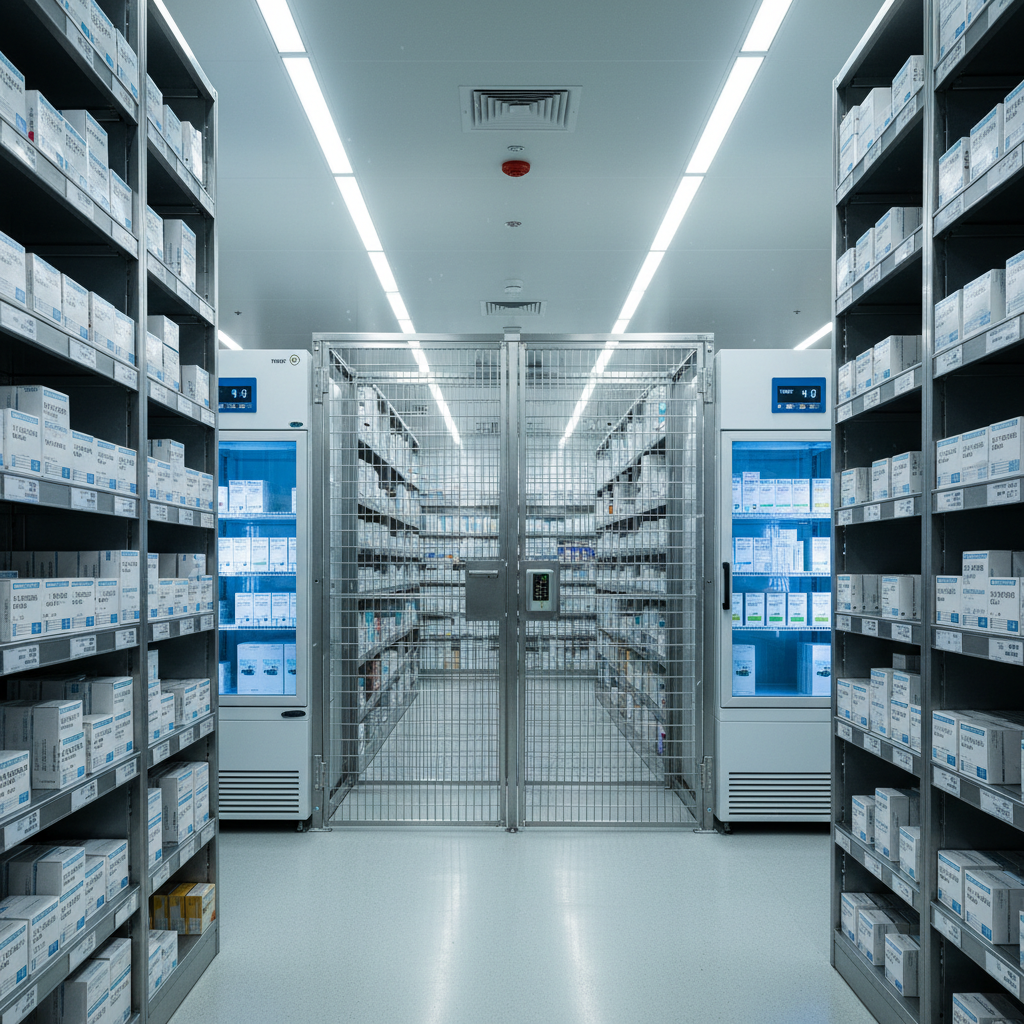
- Segregated quarantine, release and rejected zones — physical, signed, and reflected in your QMS flow
- Controlled drugs storage to BS EN 1143-1 or equivalent, with documented access control, key control, and CCTV retention policies aligned to the Home Office licence
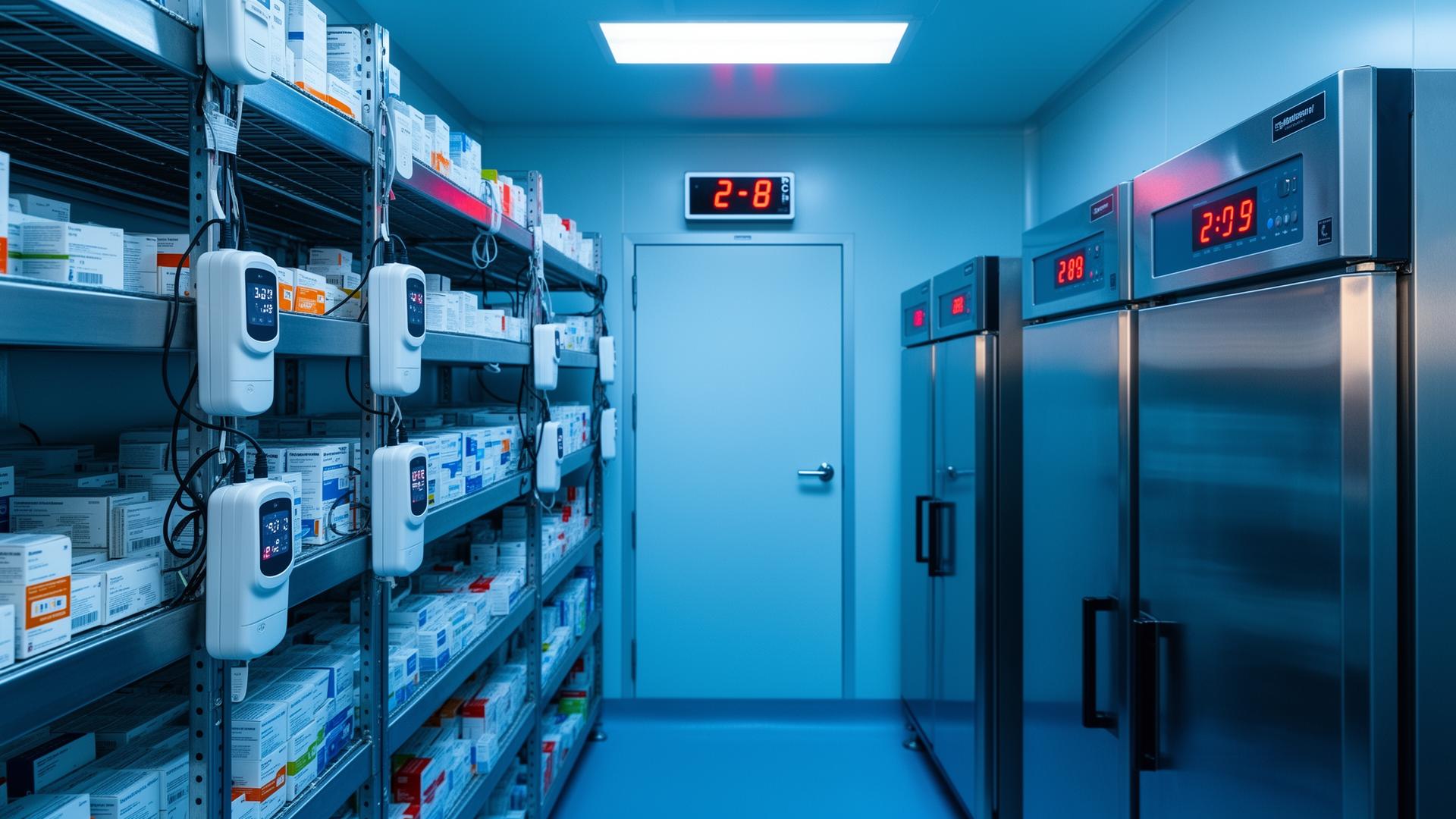
- Mapped temperature zones — initial qualification mapping (empty and loaded), and continuous monitoring with calibrated, traceable sensors. Ambient (15–25 °C) and refrigerated (2–8 °C) if your portfolio includes refrigerated lines
- Goods-in process that captures supplier verification, transport temperature evidence, and visual/identity checks before stock moves out of quarantine
- Pest control, cleaning, and pest-monitoring records going back at least 12 months by the time of inspection
Most failed pre-licence inspections we''ve reviewed fail on temperature mapping and CD storage segregation, not on paperwork.
3. The Responsible Person (RP) — non-negotiable
Every WDA(H) names at least one Responsible Person on the licence. The RP is personally accountable to the MHRA for GDP compliance across the site, and is the inspector''s primary interlocutor.
Practical board-level points:
- The RP must be eligible — typically a pharmacist, or a person with appropriate scientific qualifications and demonstrable GDP experience. The MHRA assesses RP suitability case by case
- The RP must have genuine authority — budget, the ability to stop a shipment, and a reporting line that doesn''t put commercial pressure on quality decisions
- Naming an RP who is unavailable, under-empowered or stretched across too many licences is one of the fastest routes to a deficient inspection outcome
- For cannabis specifically, the RP needs to be comfortable with the Schedule 2 interlock — Home Office record-keeping, witnessed destructions, and the CDLO relationship
Medicexum supports operators on the RP track in two ways: designing the RP framework (job description, reporting line, KPIs, escalation matrix) so the role is inspectable from day one, and recruitment support to identify candidates with the right GDP background. For formal RP qualification, candidates should pursue accredited training (Cogent Skills runs the recognised UK Gold Standard course).
See the Responsible Person service page for how we structure that work on live mandates.
4. Quality Management System — what the MHRA expects to see
Your QMS is the document set the inspector will request before they walk the site. Minimum viable scope for a WDA(H) submission:
- Quality Manual — the top-level document defining scope, organisation, and how GDP is implemented
- Site Master File (SMF) — facility, equipment, personnel, activities. Submitted with the application
- SOPs covering, at minimum: goods receipt, quarantine and release, returns, recalls, complaints, deviations, CAPA, change control, self-inspection, training, temperature monitoring, transport qualification, supplier and customer qualification, falsified medicines, CD handling
- Risk assessments for premises, equipment, transport, and supplier base
- Training matrix with evidence of GDP training for every staff member with QMS responsibilities
- Self-inspection programme with at least one cycle completed before the MHRA inspection
The deficiency we see most often: SOPs that are template-perfect but unevidenced. Inspectors test SOPs against records, not against the SOP text.
5. The Home Office Schedule 2 interlock
Cannabis is a Schedule 2 controlled drug. You cannot lawfully import, possess, or supply it for medicinal use without a Home Office Domestic Controlled Drugs Licence covering Schedule 2 activities, alongside the WDA(H).
Practical sequencing:
- The two applications run in parallel, not sequence — the Home Office will want to see your MHRA progress; the MHRA will want to see your Home Office progress
- Your CD storage must satisfy both regimes — Home Office on physical security and access, MHRA on GDP storage conditions
- Your CDLO (police Controlled Drugs Liaison Officer) relationship needs to be live before either licence is granted — they will visit and brief
- Import/export of cannabis material requires per-consignment licences under the Misuse of Drugs Regulations on top of the domestic licence
Underestimating Home Office timelines is the most common reason WDA(H) launches slip by a quarter.
6. The application itself
Submitted via MHRA''s Process Licensing Portal. You will need:
- Site Master File
- Organisation chart and named RP details (with CV and evidence of qualifications)
- Floor plans showing flows and segregation
- List of activities, dosage forms, and starting materials
- Evidence of premises ownership or lease
- Application fee (current schedule on the MHRA website)
Once submitted, expect an MHRA assessment, requests for further information, and a pre-licence inspection. The window from submission to grant for a well-prepared cannabis importer is typically 6–9 months. For an unprepared applicant, 12–18 months is realistic.
7. Post-grant: the inspection that matters
The pre-licence inspection gets you the licence. The routine GDP inspection, normally within 12–24 months of grant, decides whether you keep it. The two have different stakes — and a different evidence base, because by then you have a year of real operating records the inspector can sample.
Inspection readiness is a continuous discipline, not a one-off exercise. The board-level question is whether your RP has the standing, time and authority to run that discipline — and whether your QMS produces evidence as a by-product of operations, rather than as a scramble before a visit.
Working on a WDA(H) application or remediating a returned one? Medicexum supports UK medical cannabis operators on RP framework design, QMS build-out, and inspection readiness. Get in touch or read more on our MHRA compliance service.