For UK medical cannabis importers, the MHRA Wholesale Dealer''s Licence (WDA(H)) gets you into the medicines regime. The Home Office Domestic Controlled Drugs Licence — covering Schedule 2 activities — is what makes touching the product lawful in the first place. Cannabis remains a Schedule 2 controlled drug under the Misuse of Drugs Regulations 2001, and no amount of MHRA approval substitutes for the Home Office authorisation.
This is the companion piece to our WDA(H) application checklist. It walks through what the Home Office actually wants to see, where applications get stuck, and how to sequence the two regimes so neither blocks the other.
1. What the licence authorises
A Domestic Controlled Drugs Licence is activity-specific. You apply for the specific combination of activities you need, typically some or all of:
- Import — bringing Schedule 2 product into Great Britain
- Export — sending product out of GB
- Possess — holding stock on a named premises
- Supply — onward distribution to another licensed entity
- Produce — manufacture, formulation, or repackaging
For a typical medical cannabis importer-wholesaler the activity set is: possess, supply, import, export. Cultivation or manufacture brings in additional regimes you should not assume you''re covered for by default.
Crucially, the Domestic Licence does not cover individual cross-border movements. Each consignment in or out of the UK requires its own per-consignment import or export licence under the Misuse of Drugs Regulations. The Domestic Licence is the prerequisite — the per-consignment licences are the operational instrument.
2. Premises — what the Home Office expects
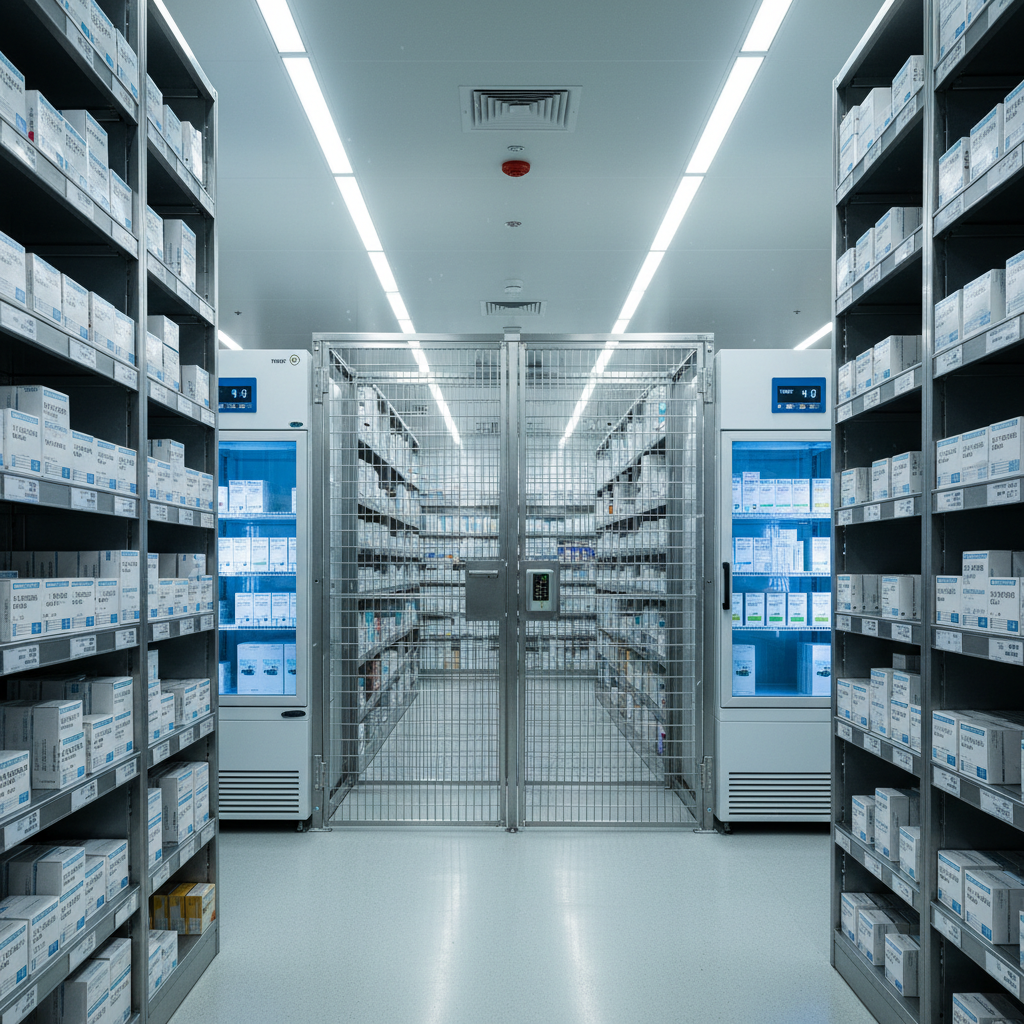
The licence attaches to a specific premises. You cannot move stock to a new warehouse without varying the licence. Physical security is assessed against published Home Office standards:
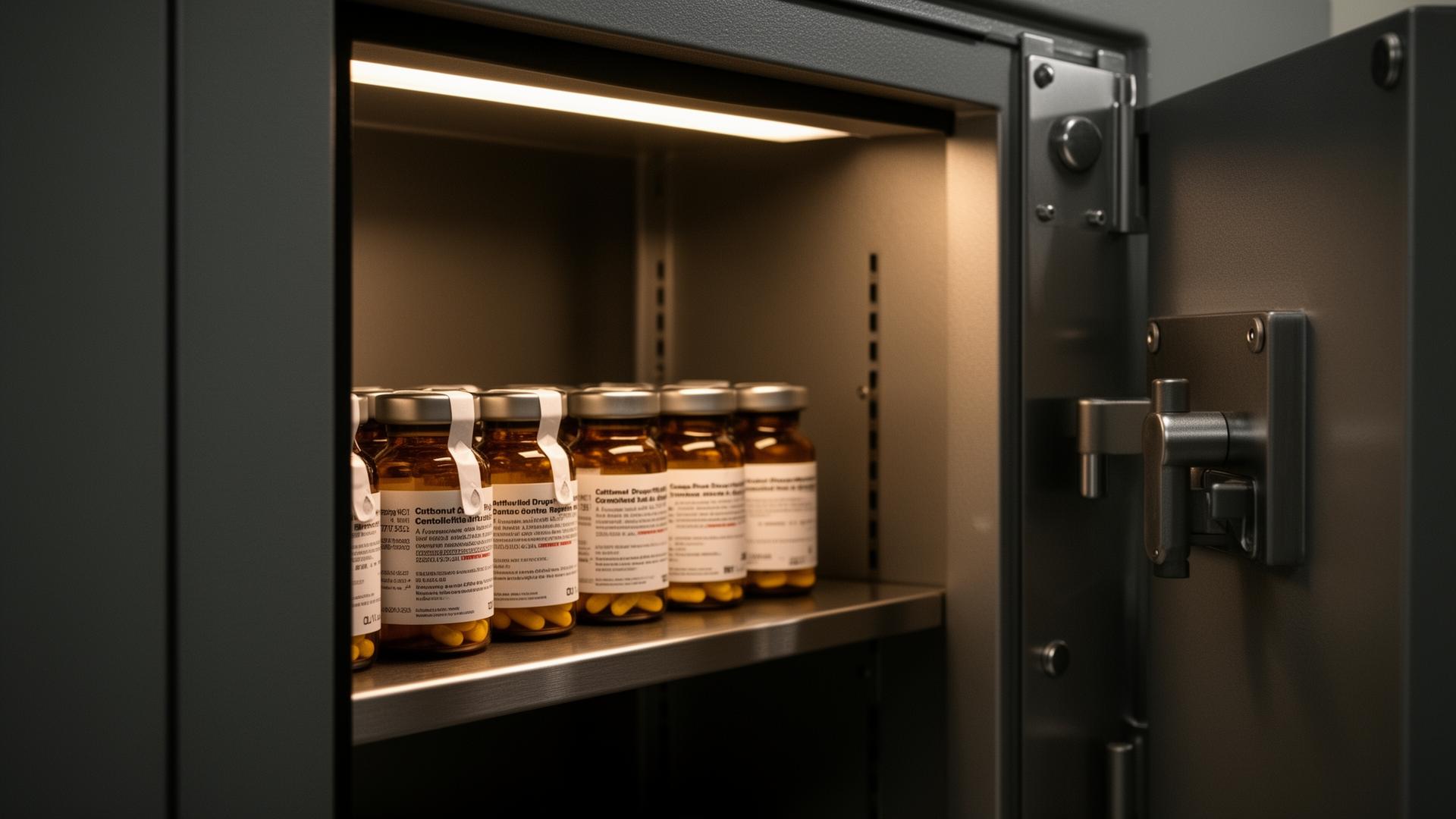
- Safes and secure rooms rated to BS EN 1143-1 (or equivalent), sized appropriately for your peak holding
- Access control with auditable records — who entered, when, with what authority
- CCTV with adequate coverage, resolution and retention (typically a minimum of 31 days, longer if your CDLO advises)
- Intruder alarms monitored and police-response graded
- Key control with a documented register, witnessed handovers, and a defined custodian
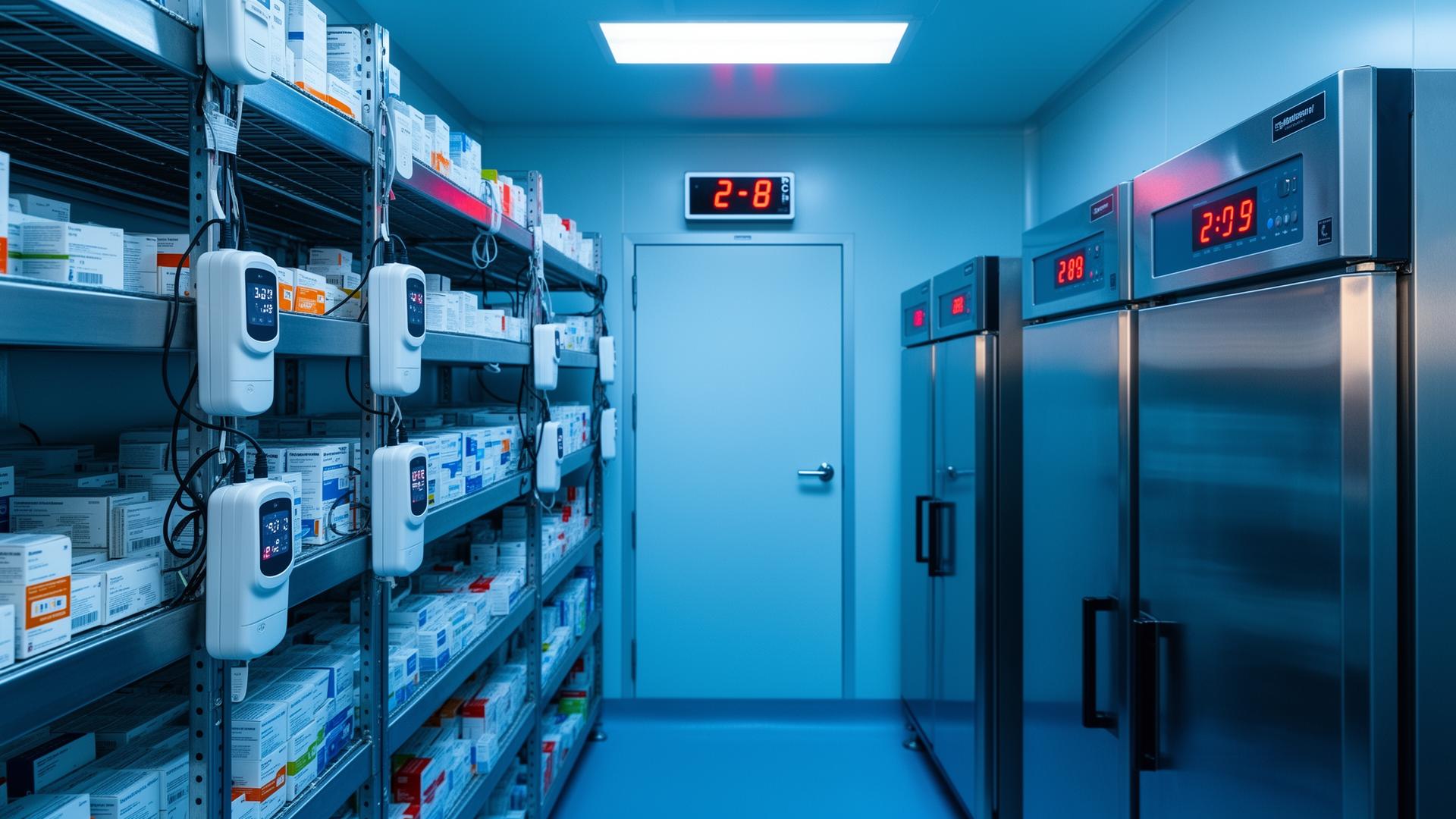
The same physical infrastructure must also satisfy MHRA GDP storage requirements — environmental monitoring, segregated quarantine, mapped temperature zones. Build to the higher of the two specifications, not to either in isolation. A common pre-grant deficiency is a CD-compliant safe that''s placed in a zone with no temperature mapping, or a GDP-mapped store with inadequate physical security.
3. Key personnel and the "fit and proper" test
Every licence application names specific individuals who carry personal accountability:
- Senior Responsible Officer (SRO) — typically a board-level or director-equivalent figure who carries ultimate responsibility for compliance with the licence
- Nominated person(s) — the day-to-day individuals authorised to handle, supply, or witness destruction of controlled drugs
- Persons handling controlled drugs — anyone who touches the stock, named on the application
Each named individual is subject to a Disclosure and Barring Service (DBS) Enhanced check and a "fit and proper person" assessment. Unspent convictions, ongoing investigations, and certain regulatory histories will be flagged. Plan the DBS turnaround into your project timeline — it can easily add 4–8 weeks if any check is escalated.
The Home Office nominated person is a separate role from the MHRA Responsible Person on the WDA(H), although the same individual can hold both where they have the relevant qualifications and time. We generally counsel against combining them at small operators where one person stretched across both roles becomes a single point of failure under inspection. See our Responsible Person service page for how we structure that separation.
4. The CDLO relationship
The Controlled Drugs Liaison Officer (CDLO) is a police officer assigned to your region who acts as the local law-enforcement interface for controlled drugs. The Home Office consults the CDLO as part of the application, and the CDLO will visit your premises before licence grant.
Practical points:
- Engage the CDLO early — well before submission. A cold application with no prior CDLO contact is a flag, not a feature
- The CDLO''s view on your security, your team, and your governance carries real weight with the Home Office assessor
- Ongoing CDLO contact post-grant is expected — incident reporting, security changes, and any losses or thefts go to the CDLO as well as the Home Office
- The CDLO will also be the first call if you discover a discrepancy, a theft, or a suspected diversion
A poor or absent CDLO relationship is one of the most common reasons cannabis-sector applications stall.
5. Record-keeping — the CD register and beyond
Schedule 2 record-keeping obligations are prescriptive. For every transaction you must record:
- Date of transaction
- Name and address of the supplier or recipient
- Quantity received or supplied
- Form of the drug (flower, oil, capsule, etc.) and presentation
- Authority under which the supply was made (prescription, requisition, licence)
Records must be kept in a bound Controlled Drugs Register (or an approved electronic equivalent), with no erasures — corrections by marginal annotation only. Retention is at least 2 years from the last entry, but in practice operators retain longer to satisfy MHRA GDP and audit needs.
Stock reconciliations should be performed and documented at a defined cadence — weekly is typical for active operators, monthly is the practical minimum. Discrepancies must be investigated and, depending on materiality, reported.
6. Destruction of controlled drugs
Destruction of Schedule 2 stock — expiries, damaged stock, returns — must be witnessed by an Authorised Witness. For a wholesaler this is normally an officer authorised by the Home Office Accountable Officer scheme or, in some cases, your CDLO.
Plan for this operationally:
- Build the witnessed-destruction process into your QMS, with a defined SOP, a destruction log, and a chain of custody from quarantine to the witnessed event
- Do not let expired or damaged stock accumulate — recurrent large destructions attract regulatory attention
- The witness''s role is to verify the quantity destroyed matches the register; the destruction itself must be by a method that renders the product irretrievable
7. Sequencing with the MHRA WDA(H)
The two regimes interlock. Sensible sequencing:
- Concept and site selection — choose a premises that can credibly satisfy both Home Office physical security and MHRA GDP environmental requirements
- Pre-application engagement — open lines with both the MHRA Process Licensing team and your regional CDLO before submitting either application
- Parallel submission — file the WDA(H) and the Home Office Domestic Licence applications in the same window. Each regulator will reasonably ask for evidence of progress on the other
- Coordinated inspection windows — the MHRA pre-licence inspection and the CDLO visit are separate events but should fall within a tight window so any remediation is consistent across both regimes
- Per-consignment licences — only useful once the Domestic Licence is granted. Build the per-consignment workflow into your import operations from day one
Expect 6–9 months to dual grant for a well-prepared applicant, longer where premises, personnel, or governance need remediation.
8. After grant — keeping the licence
The Domestic Licence is annual — you re-apply each year, and the assessment considers your compliance record, any incidents, and any changes in personnel or premises. Triggers for closer Home Office attention:
- Loss or theft of controlled drugs
- Significant stock discrepancies
- Changes in senior personnel without timely notification
- Adverse MHRA inspection findings on the WDA(H) — the two regulators do talk
- Negative feedback from the CDLO
Treat the licence as a continuous compliance posture, not an annual paperwork exercise. The board-level question is whether your SRO, nominated persons, and RP have the standing and time to keep both regimes inspectable on no notice.
Working on a WDA(H) or Home Office Schedule 2 application? Medicexum supports UK medical cannabis operators on regulatory framework design, RP recruitment, QMS build-out and inspection readiness — including the Home Office and CDLO interface. Get in touch or read more on our MHRA compliance service.