MHRA GDP Inspection Readiness: A Practical Guide for Medical Cannabis Wholesalers
An MHRA Good Distribution Practice (GDP) inspection is a milestone every UK medical cannabis wholesaler must eventually face. Whether triggered by a new WDA(H) application, a routine re-inspection cycle, or a risk-based intelligence signal, the inspection outcome determines whether you retain your licence — and your ability to trade.
This guide covers the practical steps wholesalers can take to prepare, with specific attention to the additional complexities of handling controlled drugs and temperature-sensitive cannabis-based products.
Why Inspection Readiness Matters
The MHRA inspects wholesale distributors against EU GDP Guidelines (EudraLex Volume 4, Part II) and the UK-specific Human Regulations 2012. Failings are classified as:
- Critical — a potential risk to patient safety or a serious breach of legislation
- Major — a deficiency that may significantly affect product quality or safety
- Minor — a departure from GDP that is not critical or major
Multiple majors, or any critical, can lead to licence suspension, variation, or revocation. For a medical cannabis business, that means ceasing operations until remedial work is completed and a re-inspection is passed.
Preparation is therefore not a box-ticking exercise. It is commercial risk management.
The Three Pillars of Readiness
1. Documentation
The inspector will expect to see a complete, version-controlled Quality Management System. At minimum, this includes:
- Quality Manual — scope, structure, and management commitment
- Site Master File (SMF) — premises, storage conditions, and distribution flow
- Written Procedures (SOPs) — covering receipt, quarantine, storage, picking, packing, dispatch, returns, recalls, and destruction
- Training records — initial and refresher training for all GDP-relevant staff, with competency assessments
- Self-inspection programme — annual internal audits with action plans and evidence of closure
- Deviation, CAPA, and change-control logs — demonstrating continuous improvement
- Supplier and customer qualification files — evidence of due diligence on upstream and downstream partners
For medical cannabis specifically, ensure your SOPs explicitly address:
- Schedule 2 controlled drug handling — receipt, secure storage, register entries, and witnessed destruction
- Temperature mapping and monitoring — cold-chain maintenance for cannabis-based medicinal products
- Product security — anti-theft and diversion controls from warehouse to customer
2. Premises and Systems
The physical inspection covers:
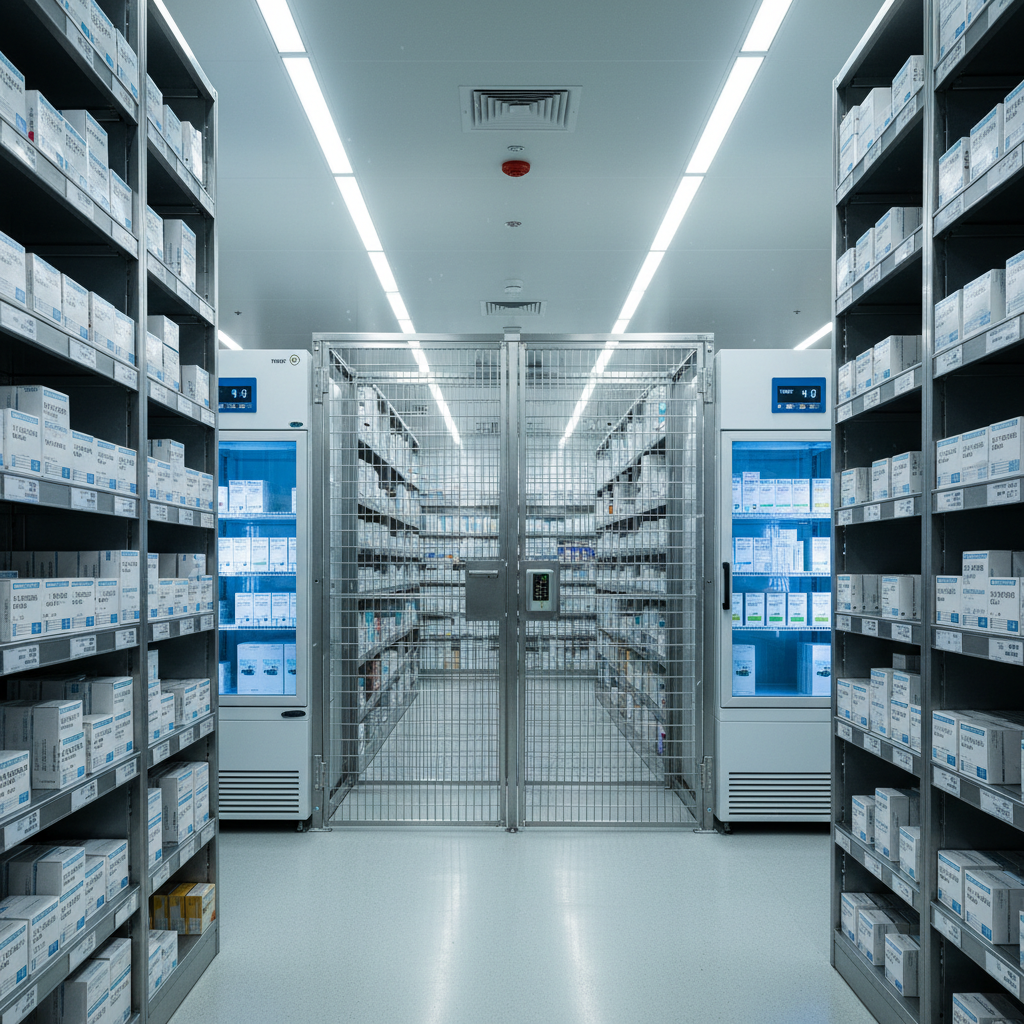
- Segregated areas — quarantine, approved, and rejected stock clearly demarcated
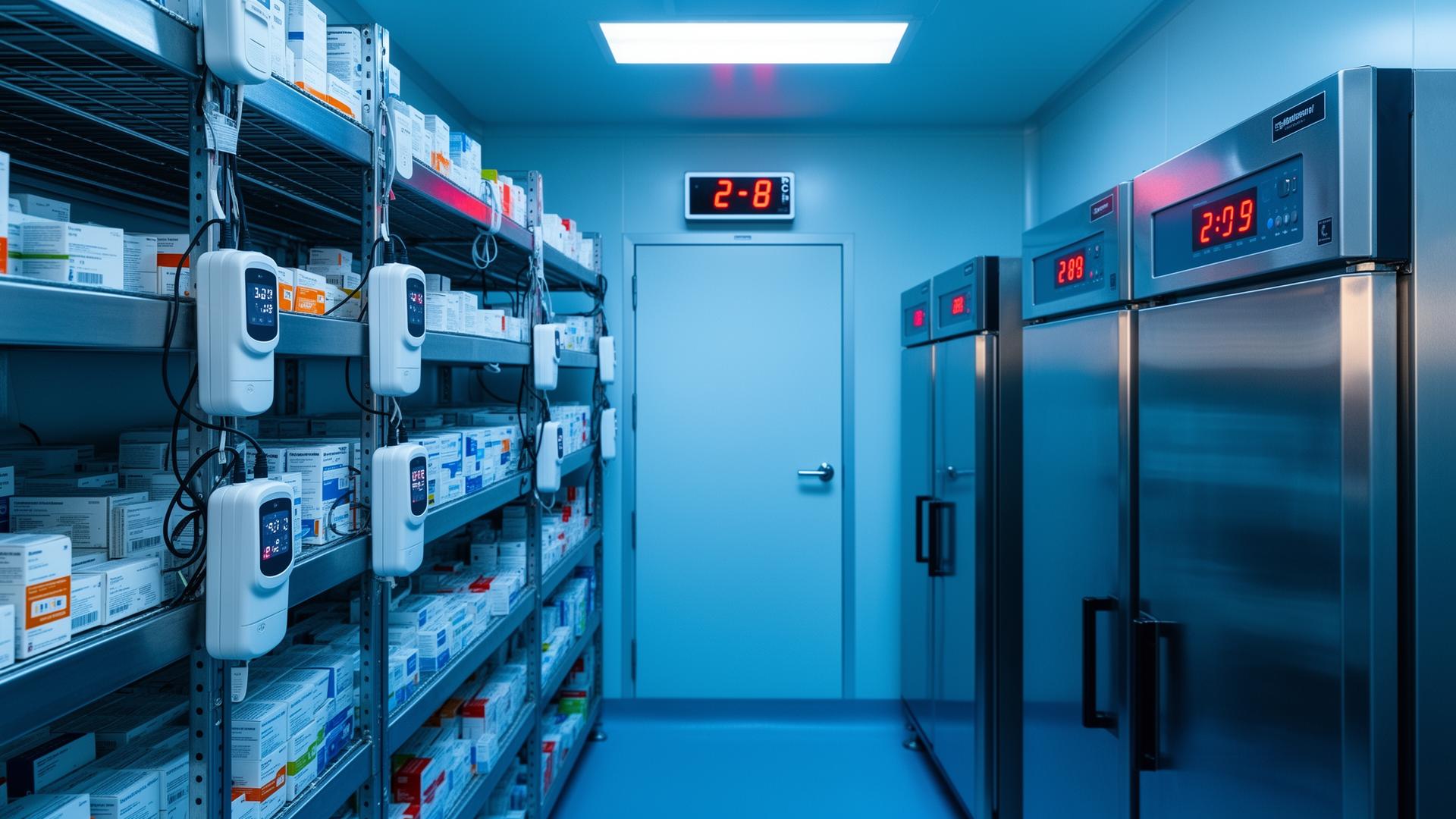
- Temperature-controlled storage — validated fridges and ambient zones with continuous monitoring and alarm systems
- Security infrastructure — access control, CCTV, intruder alarms, and controlled-drug safes meeting BS EN 1143-1 Grade I or higher
- IT systems — validated software for stock control, with audit trails, user access levels, and data backup procedures
Be ready to demonstrate calibration certificates for monitoring equipment and validation reports for warehouse mapping studies. If you store cannabis oils, capsules, or dried flower, the inspector will expect to see evidence that your environmental controls maintain product stability within labelled conditions.
3. People and Competency
GDP inspectors interview staff at all levels. They are looking for evidence that:
- The Responsible Person (RP) has adequate authority, independence, and time to discharge their duties
- Warehouse operatives can describe their procedures in practice, not just read from a manual
- Managers understand how deviations are escalated and how CAPA is tracked to closure
- Everyone knows where to find the current version of the documents they work to
For Schedule 2 cannabis products, there should also be nominated personnel with Home Office CD training, and clear escalation paths to the CD Liaison Officer.
Pre-Inspection Self-Assessment
Before the MHRA arrives, run your own mock inspection. A structured checklist should cover:
| Area | Key Questions |
|---|---|
| Quality System | Is the Quality Manual current? Are SOPs reviewed on schedule? |
| Premises | Is the warehouse tidy and logically laid out? Are alarms tested? |
| Storage | Is temperature data complete and reviewed? Are excursions investigated? |
| Distribution | Are transport contractors qualified? Is cold-chain validated? |
| Returns & Recalls | Are recall procedures tested? Is mock-recall documentation available? |
| CD Controls | Is the CD register accurate and up to date? Are destruction records complete? |
| Computer Systems | Are user access levels appropriate? Is there an IT disaster-recovery plan? |
| Training | Are all staff training matrices current? Is the RP’s CPD documented? |
Assign owners to each gap and set hard deadlines. Two to four weeks of focused preparation is usually sufficient for a well-maintained site.
What Happens During the Inspection
The typical MHRA GDP inspection follows this flow:
- Opening meeting — scope, agenda, and confidentiality
- Documentation review — QMS, procedures, and records
- Premises walkthrough — warehouse, quarantine, returns, and secure storage
- Staff interviews — RP, warehouse managers, and operational staff
- Closing meeting — preliminary feedback and classification of findings
- Inspection report — formal findings issued within 30 working days, with a response deadline
You will be given a defined timeframe to respond to findings with a corrective and preventive action (CAPA) plan. The quality and credibility of this plan influences whether a re-inspection is required.
Common Pitfalls for Medical Cannabis Wholesalers
- Conflating Home Office and MHRA requirements — security and record-keeping standards for controlled drugs are stricter than general GDP. Ensure your procedures satisfy both regimes and that staff understand the distinction.
- Inadequate temperature data — missing or unreviewed temperature logs are a frequent major finding. Automate monitoring where possible and build daily review into routine operations.
- RP without sufficient time — a part-time RP who is also managing commercial operations is a red flag. The RP role must have genuine independence and protected time.
- Out-of-date SOPs — if the warehouse layout has changed but the site plan has not, the inspector will question your document control.
- Weak supplier qualification — importing from EU GMP manufacturers is common in cannabis. Ensure you hold current QP declarations, GMP certificates, and technical agreements.
How Medicexum Supports Inspection Readiness
Medicexum works with medical cannabis wholesalers to close readiness gaps before the inspector arrives. Our support includes:
- Responsible Person framework design — defining the RP role, independence, and reporting lines so it satisfies MHRA expectations
- QMS documentation — drafting or reviewing Quality Manuals, SOPs, and SMFs for cannabis-specific operations
- Mock inspections — structured walkthroughs against the MHRA GDP checklist with actionable findings reports
- CAPA programme management — tracking post-inspection commitments to closure and preparing re-inspection evidence
- Cross-regime alignment — ensuring Home Office CD controls and MHRA GDP requirements are integrated, not duplicated
If you are approaching a WDA(H) application or have received an inspection notification, early preparation is the single best investment you can make.